17 October 2025
Preparing for a Commercial Kitchen Renovation: A Step-by-Step Guide
Renovating a commercial kitchen is an exciting opportunity to transform how your business operates every day. Whether your current kitchen is struggling to keep up with demand, falling short in compliance, or simply outdated, a well-planned renovation can dramatically improve performance, safety, and profitability.
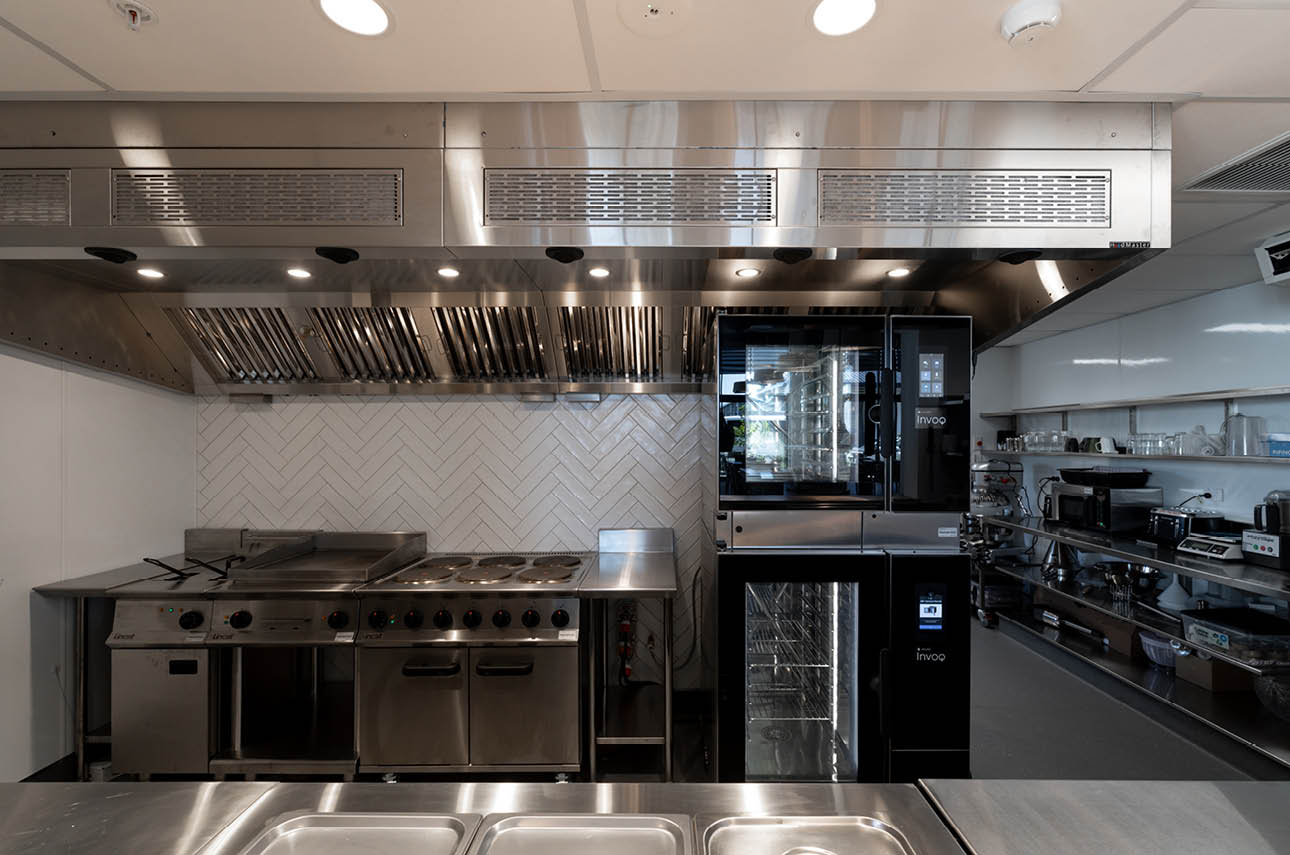
At Hostservice, we’ve helped hundreds of New Zealand businesses, from cafés and aged care facilities to large-scale restaurants, design and build commercial kitchens that stand the test of time. Here’s how to make your renovation smoother, smarter, and more cost-effective.
Understanding Why You’re Renovating
Every renovation begins with a story. Maybe your kitchen is:
- Struggling with productivity during peak hours
- Producing odours affecting the customer experience
- Failing hygiene inspections or council audits
- Limited by outdated layout or damaged by water/fire events
When you understand exactly why change is needed, every decision becomes easier, including designs, specifications, timing and of course budgets. Our consultants often start here, helping clients clarify the root cause so their project solves the real problems, not just cosmetic ones.
Setting the Right Timeline and Budget
Renovations succeed when time and budget are aligned from the start. Ask yourself:
- Are you preparing for a busy summer or reopening after inspection issues?
- Has MPI given you a set date to refurbish your kitchen?
- Do you have financing ready to keep cash flow smooth during construction?
Most Hostservice clients plan 12-26 weeks for design, installation, and council approvals, with total project costs typically ranging from NZD $100,000 to $500,000 depending on scope. We can help estimate realistic costs early, explore lender financing, and phase work to reduce disruption.
Key Decisions Before You Begin
Renovating a commercial kitchen involves dozens of moving parts, and the right decisions upfront can save thousands later. Here’s where to focus first:
1. Choosing Equipment and Appliances
Before you buy, think function first. Efficient kitchens depend on smart choices in:
- Cooking equipment (ovens, fryers, grills)
- Refrigeration and cold storage
- Prep benches, sinks, and wash-down stations
- Open or Closed Kitchen
Hostservice can advise on sustainable, energy-efficient options and layouts that improve staff productivity and reduce running costs.
2. Optimising Workflow and Layout
Your kitchen’s design should feel like clockwork during peak hours. We use 3D simulation and layout mapping to ensure safe, efficient movement and adherence to NZ Food Control Plans. Proper ventilation and zoning prevent cross-contamination and minimise service delays.
3. Customer Experience and Aesthetics
Even if your kitchen isn’t front-of-house, a well-designed space impacts speed and consistency. Easy-clean surfaces, thermally insulated zones, and ergonomic layouts all contribute to a better working environment, leading to happier teams and better service.
4. Finance and Payment Planning
Renovations require upfront expenditure. Our advisors help explore equipment financing and staged payment structures to protect your operational budget. Planning finance early prevents costly project pauses once building begins.
5. Navigating Compliance and Constraints
New Zealand kitchens must meet strict building, ventilation, and hygiene standards. Consider:
- Lease restrictions and landlord permissions
- Heritage listing limitations
- Plumbing, ventilation, and electrical access
Our team manages compliance documentation from the start, avoiding costly council setbacks or post-inspection alterations.
The Risks of an Unplanned Kitchen Renovation

It might be tempting to dive in, but skipping preliminary design and compliance checks can triple your project cost. Common issues include:
- Unexpected costs: Poor planning often results in costs tripling for key services like ventilation.
- Project delays: Non-compliance with council regulations or poorly designed workflows can significantly extend the timeline.
- Opportunity costs: While your kitchen is out of action, your business may lose revenue and customer loyalty. Temporary kitchens can be a solution, allowing you to maintain operations while renovations are underway.
- Unsatisfactory outcome: poor planning and design can mean you’re unable to implement key appliances or equipment, due to oversight. i.e, a recent client of Hostservice serving Asian Cuisine couldn’t use a wok, due to HVAC oversight. In this case, the business had to alter their food offering.
Hostservice helps clients maintain operations through temporary commercial kitchen setups, keeping revenue and reputation intact while work continues behind the scenes.
Who to Speak to First
Start with a consultant who understands both the creative and regulatory sides of kitchen design. At Hostservice, we provide:
- Expert planning, design, and project management
- Regulation-ready layouts that meet NZ compliance standards
- End-to-end delivery - from demolition to final inspection
Many designers work in isolation, but Hostservice offers a single point of accountability. That means fewer surprises, faster results, and total oversight from start to finish.
The Future of Commercial Kitchens in New Zealand
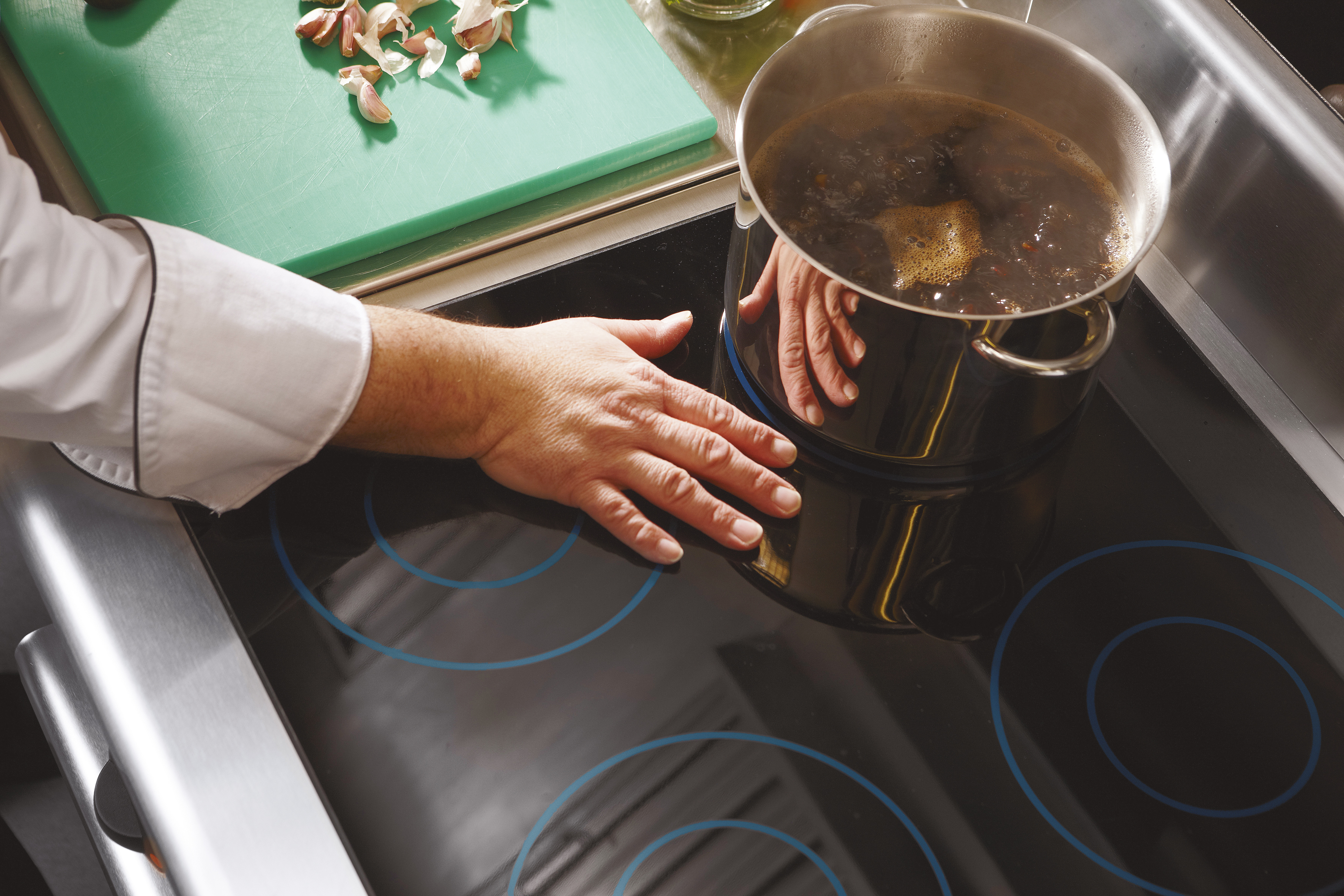
The food service landscape is changing fast, and your next renovation should anticipate what’s coming:
- Gas-to-electric transitions as energy costs shift
- Multi-purpose layouts for flexible menus and production volumes
- Sustainability and waste-reduction goals required by NZ law
- Smart technology integration for monitoring, automation, and safety
- Post-COVID demand for adaptable, hygienic spaces across hospitality, education, and aged care sectors
Hostservice designs kitchens to grow with your business, ready for future energy standards, equipment upgrades, and evolving operational needs.
7 Steps to a Successful Kitchen Renovation Checklist
- Define the need: Diagnose what’s driving change
- Set timeline and budget: Establish practical, measurable goals
- Research equipment and workflow: Combine efficiency with safety
- Plan finance early: Protect cash flow and avoid project delays
- Understand constraints: Address tenancy and building limitations
- Consult experts: Engage experienced NZ commercial kitchen specialists
- Future-proof: Build for energy efficiency, flexibility, and technology
Following these steps can make your kitchen more productive, compliant, and future-ready for decades to come.
FAQs: Preparing for a Commercial Kitchen Renovation
How long does a typical commercial kitchen renovation take?
On average, full redesign and build projects take 8–16 weeks, including installation and council sign-offs. Hostservice timelines are designed to minimise downtime with precise scheduling.
What’s the expected cost?
The majority of projects range from NZD $100,000 to $500,000, depending on size, complexity, and finishes. Early consultation helps lock in accurate budgets and avoid hidden costs, and enables you to access finance.
Can my business operate during renovation?
Yes. Hostservice offers customised temporary kitchens and mobile setups to maintain service continuity. Include link to container kitchens
Do I need council approvals?
Usually yes, especially for ventilation, drainage, plumbing, and electrical systems. Our team manages compliance applications from day one. Hostservice will always look at ways of minimising your spend on compliance, to ensure your money goes towards assets that generate you a return.
Why use professional design and build services?
You save time, ensure compliance, and get a space that meets your needs and aspirations. Hostservice manages every detail, from supply chain coordination to post-project training, so you can focus on running your business.
Ready to Start?
Whether you operate a café, hospital, or hospitality chain, Hostservice delivers turn-key commercial kitchen renovations that keep your business compliant, productive, and profitable.
Let’s design the kitchen your team deserves - safe, smart, and built for the future. Visit our Commercial Kitchen Design & Build page or contact us to start your project today.
References & Further Reading:
Commercial kitchen equipment – Simple Wikipedia
New Zealand Food Control Plans – NZ Government (MPI)
Hospitality sector renovation trends – Restaurant & Café NZ Magazine